The beginning of the year often brings that familiar feeling of “now it’s time.” It’s when managers pause, take a closer look at their operations, and identify where daily routines could run more smoothly. In restaurants, hotels, and food service businesses, this kind of review is almost essential—because when processes fail to keep up with the pace of the operation, the impact is felt directly in the service.
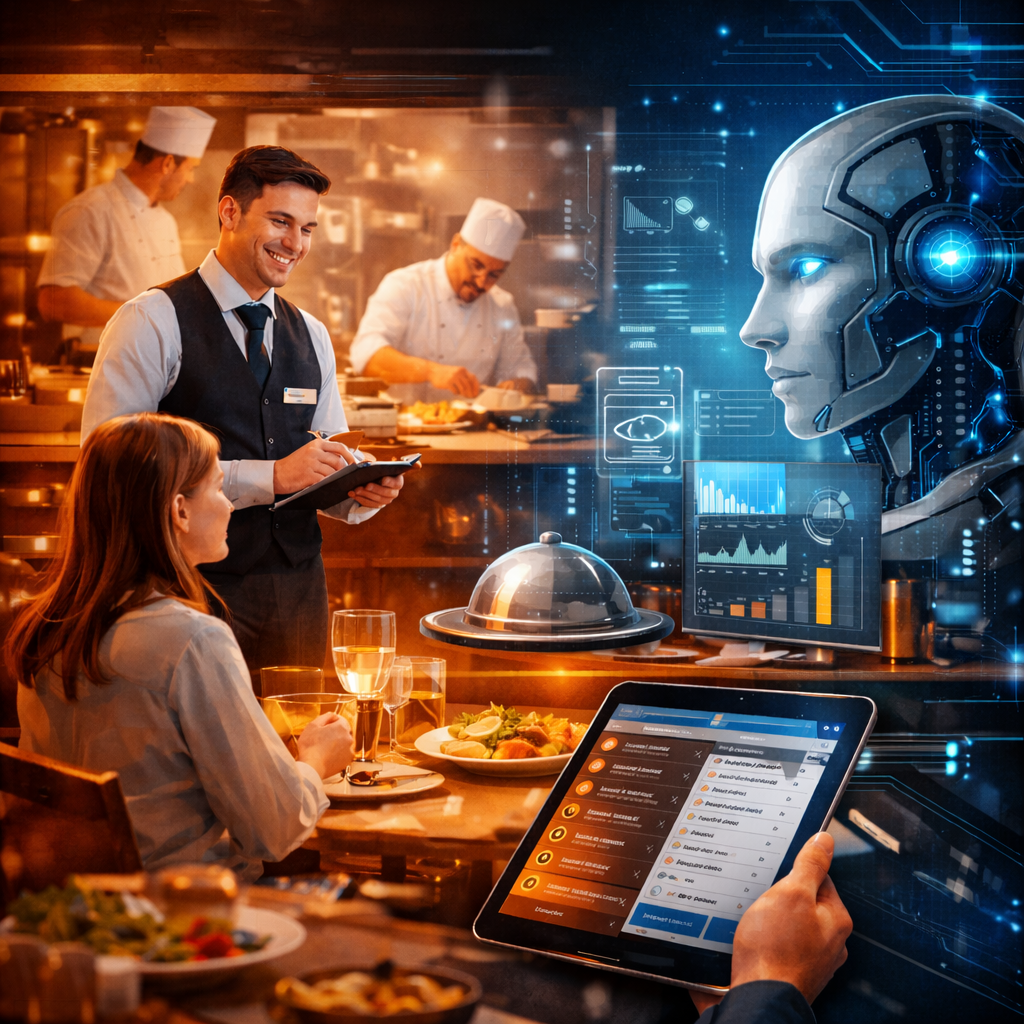
Artificial intelligence has been gaining ground for exactly this reason. It helps organize what once relied solely on human effort and trial and error. This is not about replacing people, but about bringing more clarity and predictability so operations can run more efficiently.
With in-person dining on the rise again, customer expectations have grown as well. Guests expect speed, attention, and consistency—and all of that starts long before the dish reaches the table.
What changes when internal workflows run smoothly
When orders, kitchen, inventory, and service are connected, the restaurant operates with far less friction. Artificial intelligence supports this by analyzing data from the business itself and turning that information into smarter, more accurate decisions.
In practice, this leads to:
- Production better aligned with real demand
- Less waste and greater inventory control
- More organized and agile kitchens
- Less pressure on teams
- Smoother service on the floor
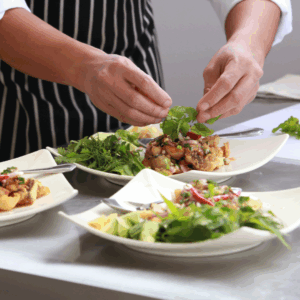
Customers may not see what’s happening behind the scenes, but they feel the difference: shorter wait times, fewer mistakes, and a more enjoyable experience.
Organization is also part of the experience
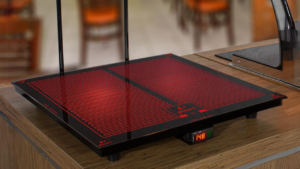
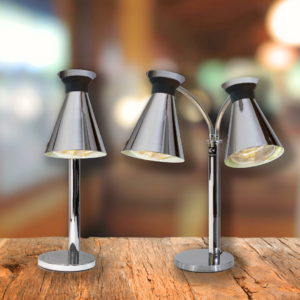
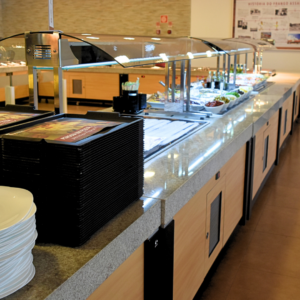
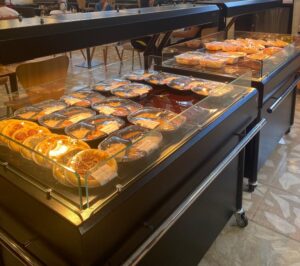
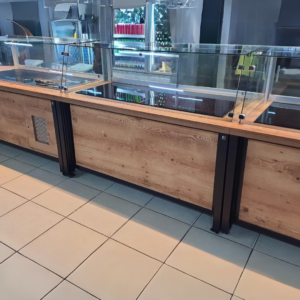
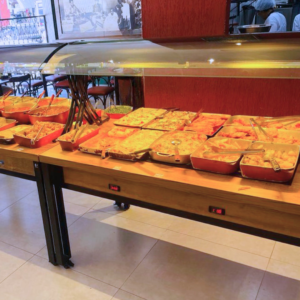
Systems aren’t the only elements that influence how a restaurant functions. Physical space, materials, and environmental details are all part of the same flow. When everything is designed to last, be easy to maintain, and keep up with the intensity of daily operations, work naturally becomes more fluid.
That’s where Glasart’s products fit as a logical extension of this mindset. Just as technology helps organize processes, high-quality materials ensure that the space keeps pace with the business—without compromising aesthetics, safety, or functionality.
In the end, optimizing workflows is about this: creating a restaurant that works better for those behind the scenes and, above all, for those who choose to be there. And there’s no better time to rethink that than at the start of a new year.